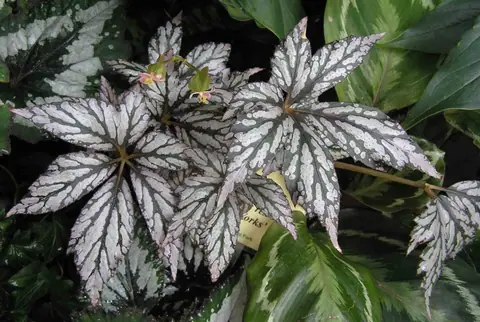
Is Rex Begonia toxic to cats & dogs?
Begonia rex
Yes — Rex Begonia is toxic to pets.
Matched to its entry on the ASPCA's published list on September 9, 2026. Begonias are recorded as toxic; soluble calcium oxalates are most concentrated underground.
Questions pet owners ask
Is Rex Begonia toxic to cats?
Rex Begonia (Begonia rex) is recorded as toxic to cats in our plant records. Begonias are recorded as toxic; soluble calcium oxalates are most concentrated underground. Those are our own records, compiled by following the ASPCA's published toxic and non-toxic plant lists and Pet Poison Helpline's plant poison list rather than copied from them — confirm anything that matters against the ASPCA's published lists, which this one is matched to, or with your vet.
Is Rex Begonia toxic to dogs?
Rex Begonia is recorded as toxic to dogs in our plant records. Those are our own records, compiled by following the ASPCA's published toxic and non-toxic plant lists and Pet Poison Helpline's plant poison list rather than copied from them — confirm anything that matters against the ASPCA's published lists, which this one is matched to, or with your vet.
What should I do if my pet eats Rex Begonia?
Keep this plant out of reach. If your pet ingests it, contact your vet or the ASPCA Animal Poison Control Center at (888) 426-4435. No plant list is a safety guarantee.
Building a pet-safe jungle?
Ploomily flags every plant in your collection for cats and dogs, and you can filter the library to pet-safe species. The founding price in force today is shown in full before you confirm, and locked for as long as you stay subscribed — with 30 days to change your mind.
Build my Living ScheduleOr check another plant for cat and dog toxicity — free, no account.
Those are our own records, compiled by following the ASPCA's published toxic and non-toxic plant lists and Pet Poison Helpline's plant poison list rather than copied from them — confirm anything that matters against the ASPCA's published lists, which this one is matched to, or with your vet. This information is educational and not a substitute for veterinary advice. If your pet has ingested a plant, contact your vet or the ASPCA Animal Poison Control Center at (888) 426-4435.