How to care for Blue Star Fern
Phlebodium aureum · Polypodiaceae
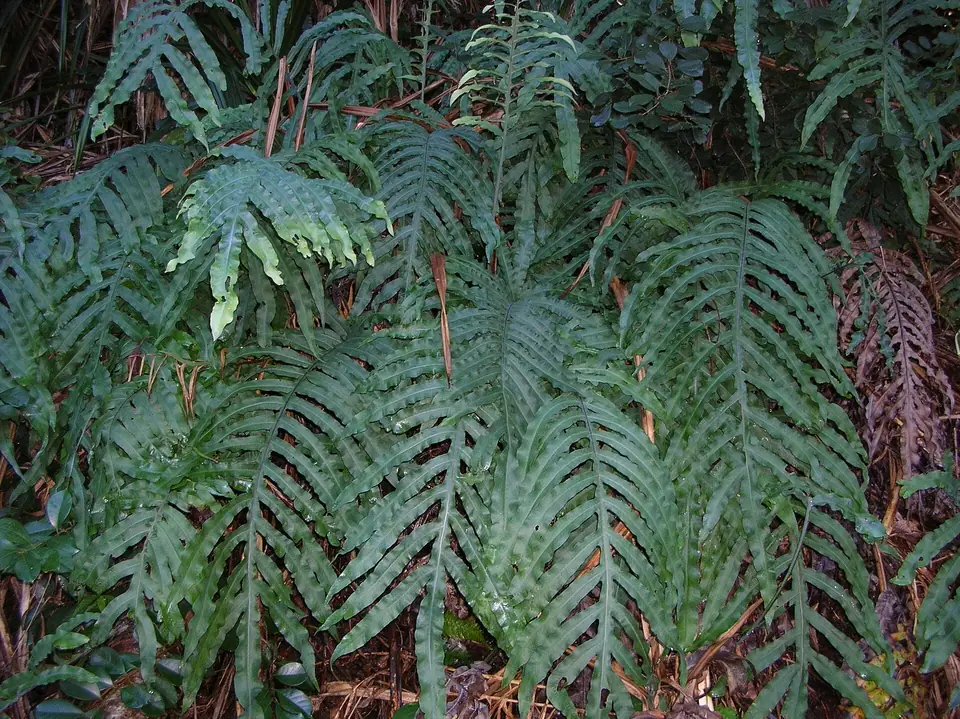
The blue star fern stands out with elongated, wavy fronds in a dusty blue-green, rising from furry golden rhizomes. As an epiphyte it wants an airy mix and resents heavy soil more than it resents your schedule. It is among the easiest ferns for normal home conditions, shrugging off average humidity. Water roughly every 5 days while it's growing (about every 9 in winter), give it a bright room away from the window, kept above 55°F (13°C) — average room humidity suits it.
Care at a glance
Water thoroughly when the top layer dries, ideally around the pot edge rather than into the crown, and never leave it standing in water.
Medium to bright indirect light; it tolerates lower light gracefully but colors and grows best near an east window.
Quarter-to-half-strength balanced fertilizer monthly while actively growing.
Mistakes that kill this plant
- Potting it in dense, moisture-retentive soil like a regular houseplant.
- Pouring water directly into the crown until the rhizomes rot.
- Burying the golden surface rhizomes when repotting.
Seasonal tips
- Repot into an orchid-bark-amended mix rather than plain potting soil.
- Older fronds yellowing and dropping one at a time is normal turnover, not a crisis.
- In winter, cut watering back and keep it out of cold drafts.
Is it safe for pets?
We couldn’t place Blue Star Fern on a toxic or a non-toxic list, so its toxicity is unconfirmed — which is not the same as safe.
Full pet-safety details for cats & dogsCare for your Blue Star Fern on autopilot
Ploomily turns this guide into a Living Schedule — watering tuned to your city’s climate, the season, the pot and the light, and feeding tuned to that same pot, drainage and light, following the growing season and pausing while the plant rests. The founding price in force today is shown in full before you confirm, and locked for as long as you stay subscribed — with 30 days to change your mind.
Build my Living ScheduleBlue Star Fern is featured in
More fern plants
Toxicity here is informational, not a safety guarantee. Those are our own records, compiled by following the ASPCA's published toxic and non-toxic plant lists and Pet Poison Helpline's plant poison list rather than copied from them — confirm anything that matters against those lists or with your vet. If your pet ingested this plant, contact your vet or the ASPCA Animal Poison Control Center at (888) 426-4435.