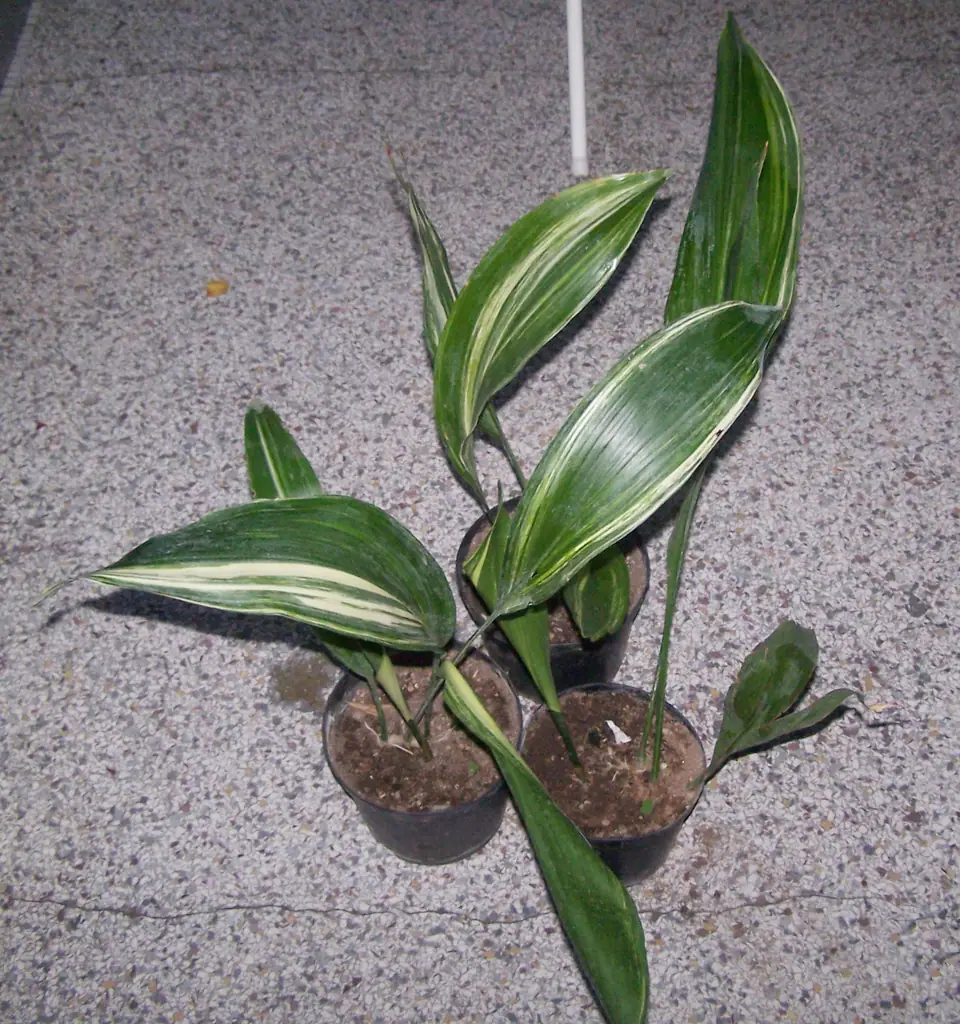
How to care for Cast Iron Plant
Aspidistra elatior · Asparagaceae
Named for its near-indestructibility, the cast iron plant carries deep green, strappy leaves straight from the soil and shrugs off low light, dry air, and neglect. It grows slowly but lives for decades. The plant for the dark corner every other species refused. Water roughly every 10 days while it's growing (about every 18 in winter), give it low light, kept above 45°F (7°C) — dry air is fine for it.
Care at a glance
Water thoroughly when the top half of the soil is dry; it far prefers too dry to too wet.
Genuinely happy in low light; keep it out of direct sun, which scorches the leaves.
Half-strength balanced fertilizer a few times a year — it is a light feeder.
Mistakes that kill this plant
- Watering on a schedule instead of checking the soil — overwatering is essentially its only killer.
- Repotting and disturbing it frequently.
- Hot direct sun after a life in shade.
Seasonal tips
- In winter, water perhaps half as often — it barely grows in the cold months.
- Wipe dust from the leaves a few times a year; in low light every bit of leaf surface counts.
- Divide crowded rhizomes in spring if you ever need to — otherwise leave it alone.
Is it safe for pets?
Our records list Cast Iron Plant as non-toxic to cats and dogs.
Full pet-safety details for cats & dogsCare for your Cast Iron Plant on autopilot
Ploomily turns this guide into a Living Schedule — watering tuned to your city’s climate, the season, the pot and the light, and feeding tuned to that same pot, drainage and light, following the growing season and pausing while the plant rests. The founding price in force today is shown in full before you confirm, and locked for as long as you stay subscribed — with 30 days to change your mind.
Build my Living ScheduleCast Iron Plant is featured in
More foliage plants
Toxicity here is informational, not a safety guarantee. Those are our own records, compiled by following the ASPCA's published toxic and non-toxic plant lists and Pet Poison Helpline's plant poison list rather than copied from them — confirm anything that matters against the ASPCA's published lists, which this one is matched to, or with your vet. If your pet ingested this plant, contact your vet or the ASPCA Animal Poison Control Center at (888) 426-4435.