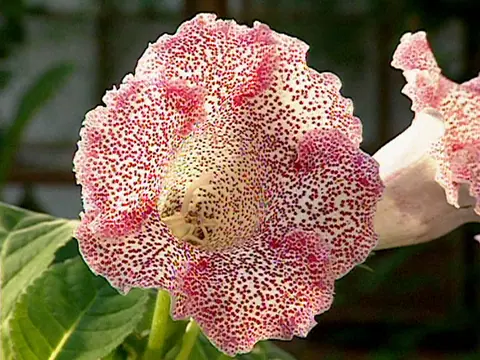
Is Gloxinia toxic to cats & dogs?
Sinningia speciosa
Our records list Gloxinia as non-toxic to cats and dogs.
Matched to its entry on the ASPCA's published list on September 9, 2026. Gloxinia is recorded as non-toxic to dogs and cats.
Questions pet owners ask
Is Gloxinia toxic to cats?
Gloxinia (Sinningia speciosa) is recorded as non-toxic to cats in our plant records. Gloxinia is recorded as non-toxic to dogs and cats. Those are our own records, compiled by following the ASPCA's published toxic and non-toxic plant lists and Pet Poison Helpline's plant poison list rather than copied from them — confirm anything that matters against the ASPCA's published lists, which this one is matched to, or with your vet.
Is Gloxinia toxic to dogs?
Gloxinia is recorded as non-toxic to dogs in our plant records. Those are our own records, compiled by following the ASPCA's published toxic and non-toxic plant lists and Pet Poison Helpline's plant poison list rather than copied from them — confirm anything that matters against the ASPCA's published lists, which this one is matched to, or with your vet.
What should I do if my pet eats Gloxinia?
Even a plant recorded as non-toxic can upset a stomach if it's eaten. If your pet seems unwell, contact your vet. No plant list is a safety guarantee.
Building a pet-safe jungle?
Ploomily flags every plant in your collection for cats and dogs, and you can filter the library to pet-safe species. The founding price in force today is shown in full before you confirm, and locked for as long as you stay subscribed — with 30 days to change your mind.
Build my Living ScheduleOr check another plant for cat and dog toxicity — free, no account.
Those are our own records, compiled by following the ASPCA's published toxic and non-toxic plant lists and Pet Poison Helpline's plant poison list rather than copied from them — confirm anything that matters against the ASPCA's published lists, which this one is matched to, or with your vet. This information is educational and not a substitute for veterinary advice. If your pet has ingested a plant, contact your vet or the ASPCA Animal Poison Control Center at (888) 426-4435.