How to care for Pinstripe Calathea
Goeppertia ornata · Marantaceae
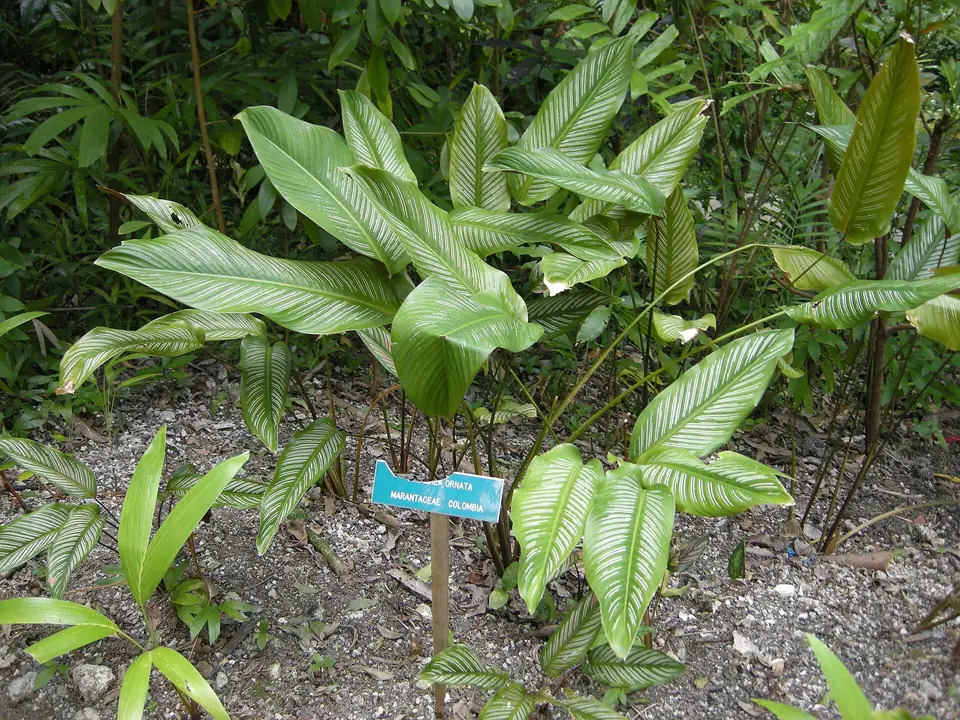
Deep green, almost black leaves pinstriped in fine pink lines, like they were drawn on by hand. The stripes fade to white as leaves mature. This is one of the fussier calatheas — it makes an unforgettable plant for growers willing to keep humidity high and water pure. Water roughly every 5 days while it's growing (about every 9 in winter), give it a bright room away from the window, kept above 61°F (16°C) — it wants humid air.
Care at a glance
Water with filtered or rainwater when the top centimeter dries; never let the root ball dry through.
A bright spot with zero direct sun; the dark leaves scorch and fade easily.
Very dilute balanced fertilizer monthly — this species is especially salt-sensitive.
Mistakes that kill this plant
- Treating tap water as fine — buildup slowly ruins every leaf.
- Big swings between soggy and bone dry.
- A cold, drafty winter spot.
Seasonal tips
- Group it with other humidity lovers or run a humidifier from autumn onward.
- Hold off on repotting until it is clearly rootbound — it hates disturbance.
- Flush the pot with clean water each spring to clear mineral buildup.
Is it safe for pets?
Our records list Pinstripe Calathea as non-toxic to cats and dogs.
Full pet-safety details for cats & dogsCare for your Pinstripe Calathea on autopilot
Ploomily turns this guide into a Living Schedule — watering tuned to your city’s climate, the season, the pot and the light, and feeding tuned to that same pot, drainage and light, following the growing season and pausing while the plant rests. The founding price in force today is shown in full before you confirm, and locked for as long as you stay subscribed — with 30 days to change your mind.
Build my Living SchedulePinstripe Calathea is featured in
More foliage plants
Toxicity here is informational, not a safety guarantee. Those are our own records, compiled by following the ASPCA's published toxic and non-toxic plant lists and Pet Poison Helpline's plant poison list rather than copied from them — confirm anything that matters against the ASPCA's published lists, which this one is matched to, or with your vet. If your pet ingested this plant, contact your vet or the ASPCA Animal Poison Control Center at (888) 426-4435.