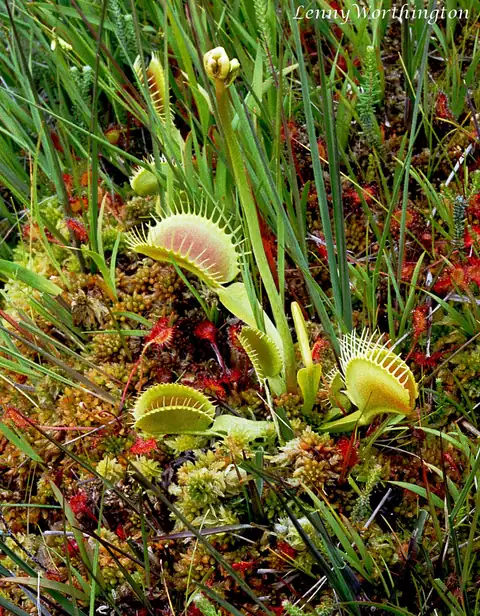
Venus Flytrap problems & how to fix them
Dionaea muscipula
Drooping, yellowing, brown tips, or a plant that just won’t thrive? Here are the most common Venus Flytrap problems, what usually causes them, and how to turn things around.
Common problems
Fertilizer burn
Any potting fertilizer or mineral-rich water burns the roots of this bog specialist. Root and leaf damage from a buildup of fertilizer salts in the soil, usually after overfeeding. Burned leaf tissue will not recover, but flushing the soil stops further damage and most plants push healthy new growth within two to three weeks.
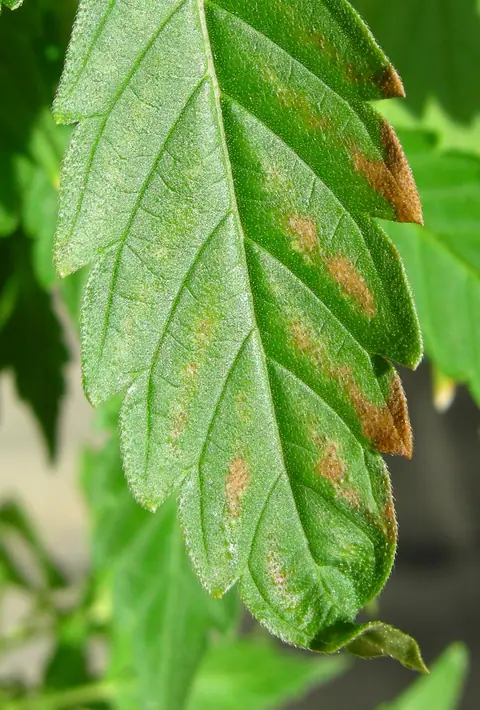
fertiliser burn browning a leaf between its veins
Photo: Fenrisulfir · CC BY-SA 3.0 · Wikimedia Commons
Etiolation (insufficient light)
Indoor shade produces long weak petioles and traps that won't close. The plant is stretching toward light it isn't getting: long gaps between leaves, pale thin growth, and leaning. Stretched growth never compacts again, but with more light all new growth comes in full and sturdy - the plant's future is good.
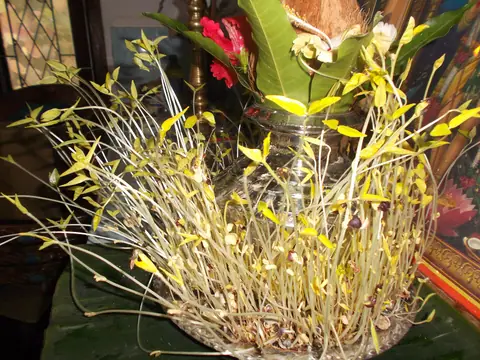
etiolated seedlings stretching pale toward the light
Photo: சஞ்சீவி சிவகுமார் · CC BY-SA 4.0 · Wikimedia Commons
Underwatering
One full dry-out of the bog soil can kill the rhizome. The plant is not getting enough water, either from infrequent watering or soil so dry it repels water. Prognosis is excellent - most underwatered plants perk up within days of proper rehydration.
Root rot
Warm, stagnant, waterlogged conditions in winter rot the dormant rhizome. A fungal or bacterial infection of the roots, almost always triggered by soil staying wet too long. Caught early, most plants recover within a few weeks after repotting; if most roots are already mushy, recovery is uncertain.
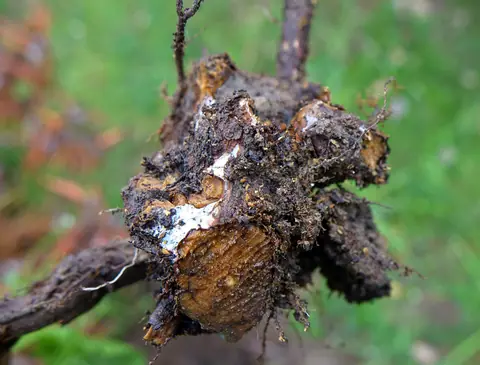
Phytophthora root rot on a dug-up root ball
Photo: Jerzy Opioła · CC BY-SA 4.0 · Wikimedia Commons
The mistakes that most often kill it
- Watering with tap or mineral water — the number one flytrap killer.
- Skipping winter dormancy in a warm room until it exhausts itself, usually within two years.
- Playing with the traps for fun; each false closure wastes serious energy.
Not sure what’s wrong?
Ploomily’s rescue tool walks you through the symptoms, gives an honest diagnosis, and schedules a day-by-day recovery plan. The founding price in force today is shown in full before you confirm, and locked for as long as you stay subscribed — with 30 days to change your mind.
Rescue my plant