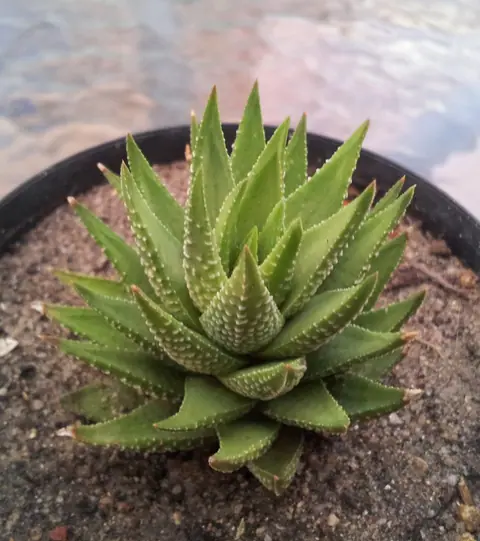
Zebra Haworthia problems & how to fix them
Haworthiopsis fasciata
Drooping, yellowing, brown tips, or a plant that just won’t thrive? Here are the most common Zebra Haworthia problems, what usually causes them, and how to turn things around.
Common problems
Overwatering
The classic zebra-plant death: leaves turn translucent and the rosette collapses from soggy soil. The soil is staying wet longer than the plant can handle, starving roots of oxygen. If caught before roots start rotting, the fix is simple - let the soil dry out and adjust the routine - and most plants bounce back within 2-3 weeks.
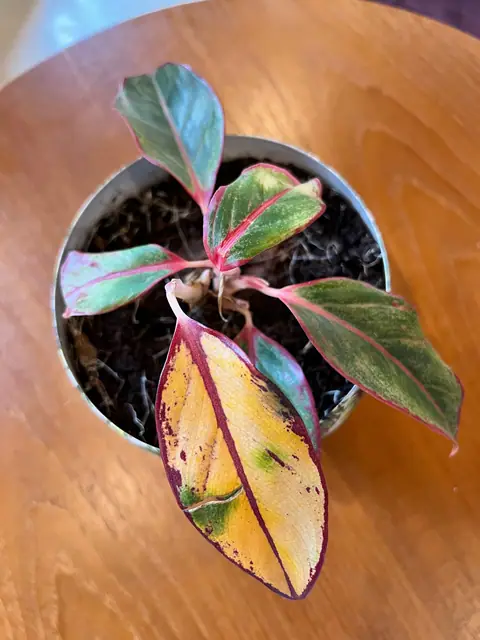
a yellowing lower leaf on a potted Chinese evergreen
Photo: Saurav9656 · CC BY-SA 4.0 · Wikimedia Commons
Root rot
Its thick roots die back in wet mix, then regrow when conditions dry — but full rot kills the crown. A fungal or bacterial infection of the roots, almost always triggered by soil staying wet too long. Caught early, most plants recover within a few weeks after repotting; if most roots are already mushy, recovery is uncertain.
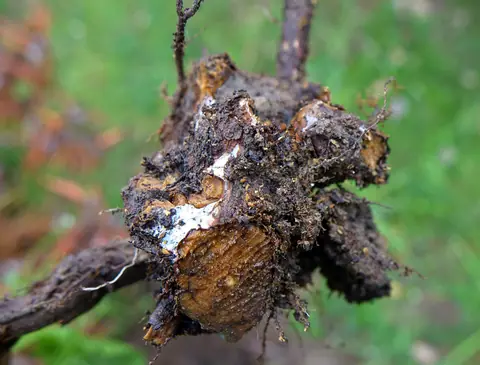
Phytophthora root rot on a dug-up root ball
Photo: Jerzy Opioła · CC BY-SA 4.0 · Wikimedia Commons
Sunburn
All-day direct sun bleaches and reddens the dark leaves and can scar them. Leaf tissue scorched by more direct sun than the plant was acclimated to, often after moving it to a brighter spot or outdoors. Burned patches are permanent, but the plant itself usually recovers fully once moved - new growth comes in healthy.
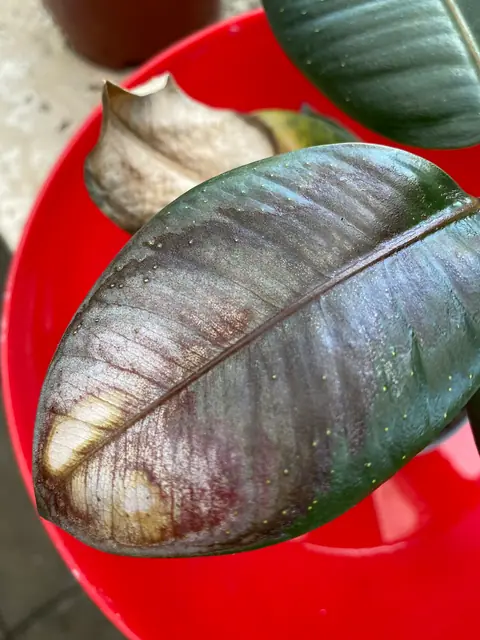
a sunburnt rubber plant leaf, bleached and browned where the sun hit
Photo: Secretlondon · CC BY-SA 4.0 · Wikimedia Commons
Underwatering
Very prolonged drought curls the leaf tips inward and dries them crisp. The plant is not getting enough water, either from infrequent watering or soil so dry it repels water. Prognosis is excellent - most underwatered plants perk up within days of proper rehydration.
The mistakes that most often kill it
- Watering more than a couple of times a month, ever.
- Letting water sit in the rosette center in a cool room.
- Cramming it onto a scorching south windowsill like a cactus.
Not sure what’s wrong?
Ploomily’s rescue tool walks you through the symptoms, gives an honest diagnosis, and schedules a day-by-day recovery plan. The founding price in force today is shown in full before you confirm, and locked for as long as you stay subscribed — with 30 days to change your mind.
Rescue my plant