How to care for Hoya Obovata
Hoya obovata · Apocynaceae
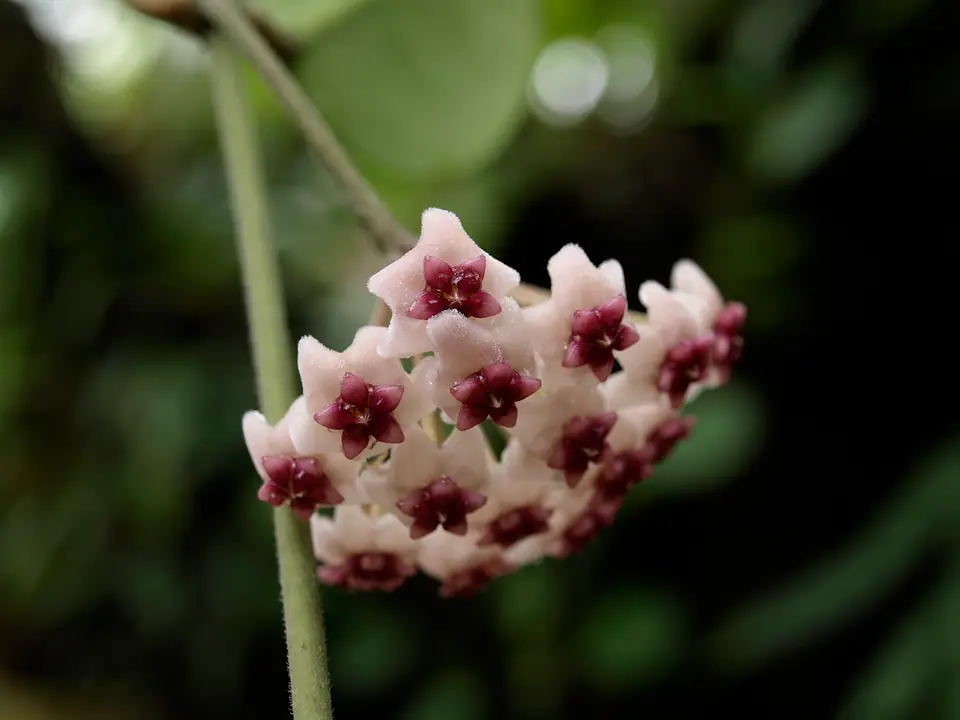
A striking hoya with big, round, deep-green leaves often speckled with silver splash. The thick foliage makes it one of the more drought-tolerant hoyas, and mature plants produce fuzzy pink flower clusters with a sweet scent. It grows in noticeable spurts, sometimes pausing for months between them. Water roughly every 10 days while it's growing (about every 21 in winter), give it bright, indirect light, kept above 54°F (12°C) — average room humidity suits it.
Care at a glance
Allow the mix to dry almost fully — the plate-like leaves flex and soften when thirsty and firm up after a soak.
Bright indirect light near an east or west window; gentle direct sun deepens the silver splash and can blush leaves pink.
Half-strength balanced fertilizer every 4-6 weeks in the growing season.
Mistakes that kill this plant
- Watering by the calendar instead of by how dry the chunky mix actually is.
- Repotting into standard potting soil, which stays wet far too long.
- Giving up on it in low light — it survives but will never thrive or bloom there.
Seasonal tips
- Do not panic during growth pauses — obovata often rests for months, then surges.
- Cut watering roughly in half in winter and stop feeding.
- Leave spent flower peduncles on the vine; it reblooms from them each year.
Is it safe for pets?
We couldn’t place Hoya Obovata on a toxic or a non-toxic list, so its toxicity is unconfirmed — which is not the same as safe.
Full pet-safety details for cats & dogsCare for your Hoya Obovata on autopilot
Ploomily turns this guide into a Living Schedule — watering tuned to your city’s climate, the season, the pot and the light, and feeding tuned to that same pot, drainage and light, following the growing season and pausing while the plant rests. The founding price in force today is shown in full before you confirm, and locked for as long as you stay subscribed — with 30 days to change your mind.
Build my Living ScheduleHoya Obovata is featured in
More vine plants
Toxicity here is informational, not a safety guarantee. Those are our own records, compiled by following the ASPCA's published toxic and non-toxic plant lists and Pet Poison Helpline's plant poison list rather than copied from them — confirm anything that matters against those lists or with your vet. If your pet ingested this plant, contact your vet or the ASPCA Animal Poison Control Center at (888) 426-4435.