How to care for Cylindrical Snake Plant
Dracaena angolensis · Asparagaceae
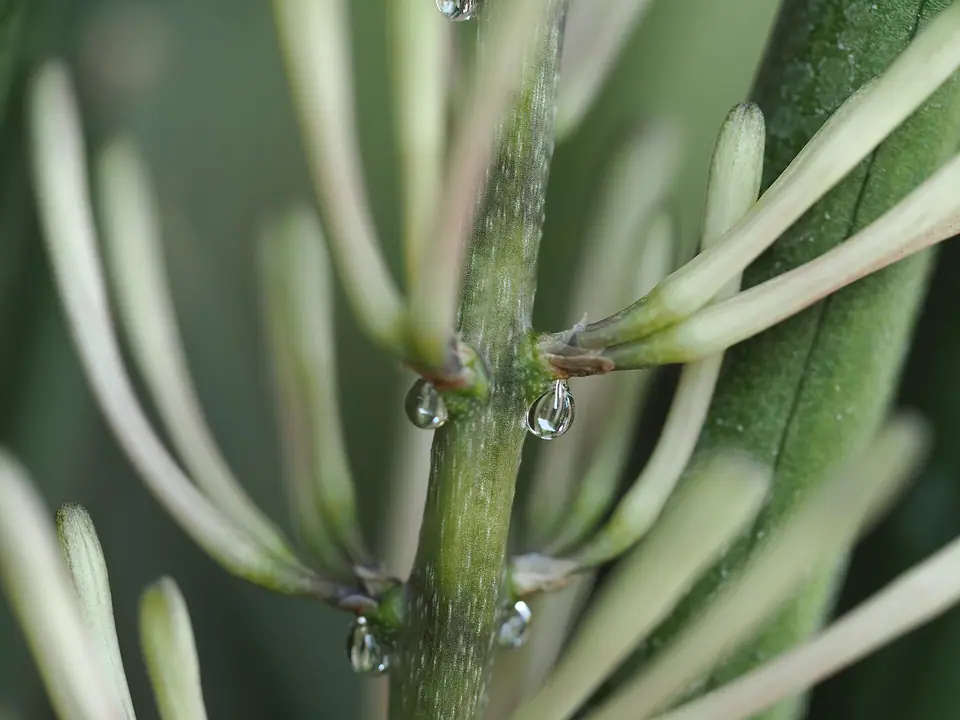
A sculptural snake plant with round, spear-like leaves that grow in a fan from the base, formerly Sansevieria cylindrica. The cylindrical leaves store even more water than flat-leaved snake plants, making it exceptionally drought-hardy. Often sold with braided leaves, which stay in shape but grow very slowly. Water roughly every 16 days while it's growing (about every 35 in winter), give it bright, indirect light, kept above 50°F (10°C) — dry air is fine for it.
Care at a glance
Soak only when the soil has been fully dry for a few days; its water-hoarding leaves shrug off long droughts but not soggy soil.
Brighter than a standard snake plant — near a sunny window is ideal, and it handles some direct sun once acclimated.
Diluted cactus fertilizer every two months during the growing season.
Mistakes that kill this plant
- Watering on the same schedule as leafy tropicals.
- A deep pot of moisture-retentive soil around its shallow rhizomes.
- Leaving it in a cold entryway with wet soil in winter.
Seasonal tips
- Practically ignore it in winter — one watering a month is often plenty.
- Rotate the pot so the leaf fan grows evenly instead of leaning.
- Braided specimens grow slowly; new pups will emerge unbraided from the base.
Is it safe for pets?
We have Cylindrical Snake Plant recorded as toxic to cats and dogs.
Full pet-safety details for cats & dogsCare for your Cylindrical Snake Plant on autopilot
Ploomily turns this guide into a Living Schedule — watering tuned to your city’s climate, the season, the pot and the light, and feeding tuned to that same pot, drainage and light, following the growing season and pausing while the plant rests. The founding price in force today is shown in full before you confirm, and locked for as long as you stay subscribed — with 30 days to change your mind.
Build my Living ScheduleCylindrical Snake Plant is featured in
More succulent plants
Toxicity here is informational, not a safety guarantee. Those are our own records, compiled by following the ASPCA's published toxic and non-toxic plant lists and Pet Poison Helpline's plant poison list rather than copied from them — confirm anything that matters against the ASPCA's published lists, which this one is matched to, or with your vet. If your pet ingested this plant, contact your vet or the ASPCA Animal Poison Control Center at (888) 426-4435.